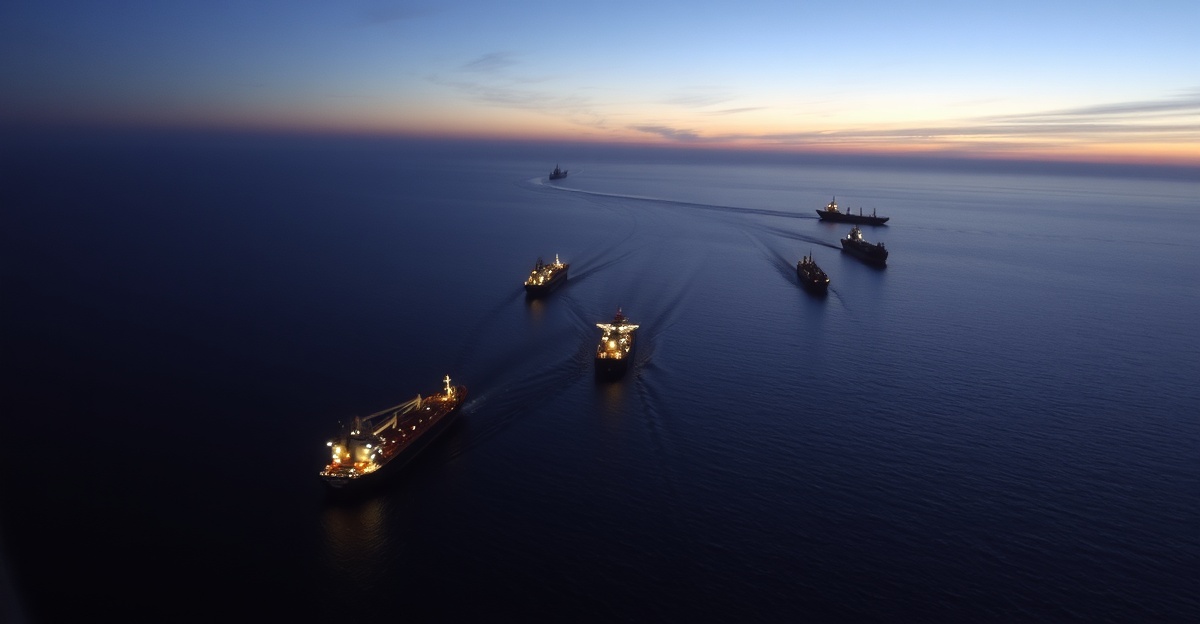
A high-stakes diplomatic crisis is unfolding in the Middle East, as Iran's actions in the Strait of Hormuz have prompted an emergency meeting of 40 nations. The strategic waterway, a critical conduit for global oil supplies, has been at the center of escalating tensions between Iran and the international community. With the world watching, Britain has taken the lead in convening the crisis talks, aimed at evaluating both diplomatic and military options to address the situation.
The meeting, attended by representatives from 40 countries, underscores the gravity of the situation and the far-reaching implications of Iran's move to block the Strait. As one of the world's most vital oil routes, the Strait of Hormuz is a linchpin of global energy security, with a significant proportion of the world's oil passing through its narrow waters. The international community is keenly aware of the potential consequences of a prolonged disruption to oil supplies, and the crisis talks are seen as a crucial step in preventing further escalation.
While the details of the discussions remain unclear, it is evident that the international community is seeking a unified response to the crisis. The fact that 40 nations have come together to address the issue is a testament to the widespread concern about the situation and the need for collective action. As the talks continue, the world waits with bated breath for a resolution to the crisis, one that will have significant implications for global energy security and the stability of the region.